November 5, 2026
<p>Stucco is a popular exterior finish known for its durability, attractive appearance, and versatility. Whether your home features a traditional Mediterranean design or a modern architectural style, stucco provides a distinctive finish that withstands years of exposure to the elements. However, even durable exterior materials require consistent attention.</p>
<p>At DH Painting, we understand the importance of protecting your home's exterior through professional maintenance, inspections, and timely repairs. From identifying moisture damage to addressing surface deterioration, proper care helps homeowners avoid expensive problems and preserve their property's appearance. Understanding how environmental conditions affect stucco can also help you recognize when professional stucco repair may be necessary.</p>
<h2>Understanding Stucco and Its Characteristics</h2>
<h3>Recognizing the Benefits of Traditional Stucco</h3>
<p>Traditional stucco is a cement-based material typically made from cement, sand, lime, and water. Applied in layers, it creates a durable exterior finish that complements many architectural styles. Its fire resistance and ability to accommodate different textures make it a practical choice for residential properties.</p>
<p>When properly installed and maintained, traditional stucco can last for decades. However, environmental exposure, structural movement, and moisture can gradually affect its condition. Small cracks may develop as temperatures fluctuate or buildings settle.</p>
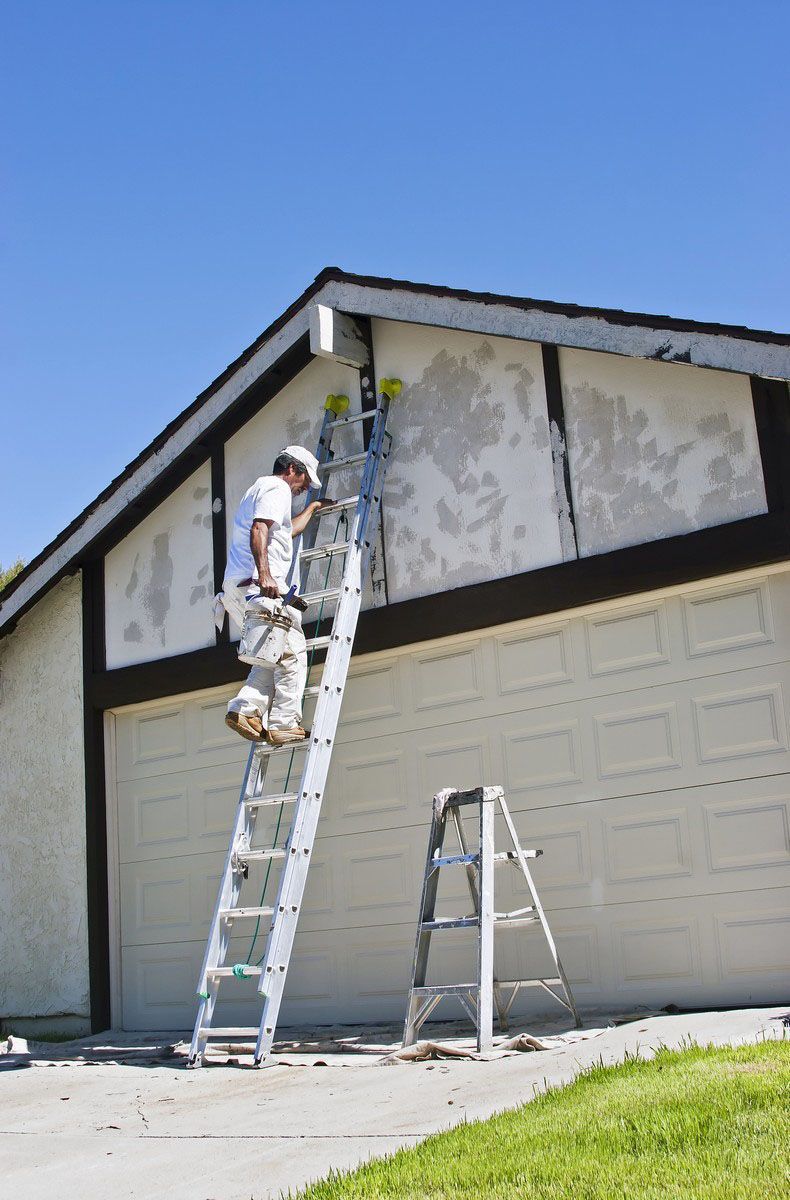
<p>Professional stucco repair helps address these imperfections before they develop into larger problems. Our team at DH Painting understands that preserving the original appearance while correcting damaged areas is essential for maintaining an attractive exterior.</p>
<h3>Comparing Traditional and Synthetic Stucco</h3>
<p>Traditional and synthetic stucco have different compositions and performance characteristics. Synthetic stucco, commonly associated with Exterior Insulation and Finish Systems (EIFS), typically incorporates insulation board, reinforced base coats, and a decorative finish.</p>
<p>Traditional stucco provides a hard, cement-based surface, while synthetic systems can offer additional insulation benefits. Both require proper installation, drainage, and maintenance to perform effectively.</p>
<p>The appropriate material depends on local climate, building construction, and aesthetic preferences. Professional evaluations help determine which system is present and what maintenance approach is appropriate.</p>
<p>Understanding these differences is important when damage occurs. Repair techniques must be compatible with the existing exterior system to avoid additional problems.</p>
<h3>Evaluating the Effects of Weather</h3>
<p>Weather conditions significantly influence the lifespan of exterior finishes. Intense sunlight, heavy rainfall, strong winds, and freezing temperatures can contribute to surface deterioration.</p>
<p>In warmer climates, prolonged sun exposure may cause discoloration or cracking. In regions experiencing frequent precipitation, moisture intrusion becomes a greater concern. Freeze-thaw cycles can also worsen existing cracks when trapped water expands.</p>
<p>According to This Old House, stucco should be inspected at least one time a year or after a harsh weather season. Following this recommendation helps homeowners identify problems before they become more extensive.</p>
<p>At DH Painting, we encourage property owners to prioritize professional inspections following severe weather. Early detection allows our team to recommend appropriate maintenance or stucco repair based on the exterior's condition.</p>
<h2>Maintaining Stucco Through Professional Cleaning</h2>
<h3>Identifying Common Surface Contaminants</h3>
<p>Over time, stucco surfaces accumulate dirt, dust, pollen, and other environmental contaminants. These substances can diminish a home's appearance and contribute to persistent staining.</p>
<p>Properties surrounded by trees may experience organic buildup, while homes near busy roads can accumulate airborne pollutants. Shaded areas may also develop algae or mildew when moisture remains on the surface.</p>
<p>Although discoloration sometimes results from ordinary environmental exposure, certain stains may indicate underlying moisture concerns. A professional assessment helps distinguish cosmetic issues from conditions requiring attention.</p>
<p>Routine exterior cleaning supports stucco's appearance while providing opportunities to identify emerging damage.</p>
<h3>Choosing Appropriate Cleaning Methods</h3>
<p>Stucco requires careful cleaning because aggressive techniques can damage textured surfaces or force water into vulnerable areas. The appropriate method depends on the material, existing coatings, and severity of contamination.</p>
<p>Professional exterior cleaning specialists evaluate these factors before selecting suitable products and equipment. Gentle cleaning methods may be appropriate for ordinary dirt, while persistent staining may require specialized treatment.</p>
<p>High-pressure washing can damage stucco when performed incorrectly, particularly around cracks, joints, and deteriorating finishes. Excessive water pressure may loosen material or introduce moisture behind the exterior surface.</p>
<p>At DH Painting, we believe professional assessment is important before exterior maintenance begins.</p>
<h3>Establishing a Consistent Cleaning Schedule</h3>
<p>Cleaning frequency varies depending on environmental conditions and property location. Homes exposed to frequent storms, heavy vegetation, or airborne pollutants may require more attention than sheltered properties.</p>
<p>A professional maintenance schedule considers the exterior's condition rather than relying on a universal cleaning interval. Periodic evaluations can identify discoloration, surface wear, and areas where contaminants accumulate.</p>
<p>Cleaning also creates an opportunity to assess whether existing cracks or damaged finishes need attention.</p>
<p>When cleaning reveals deterioration, scheduling professional stucco repair can help prevent additional damage and restore the exterior's appearance.</p>
<h2>Inspecting Stucco for Potential Damage</h2>
<h3>Recognizing Common Warning Signs</h3>
<p>Visible deterioration often provides the first indication that a stucco exterior needs professional attention. Cracks, peeling coatings, crumbling material, and unusual discoloration should not be ignored.</p>
<p>Hairline cracks can develop from normal movement or temperature changes, but larger or expanding cracks may indicate more significant concerns. Bulging surfaces and loose sections can suggest adhesion problems.</p>
<p>White, powdery deposits known as efflorescence may appear when moisture moves through masonry materials and leaves mineral salts behind. Persistent staining around windows or doors can indicate water intrusion.</p>
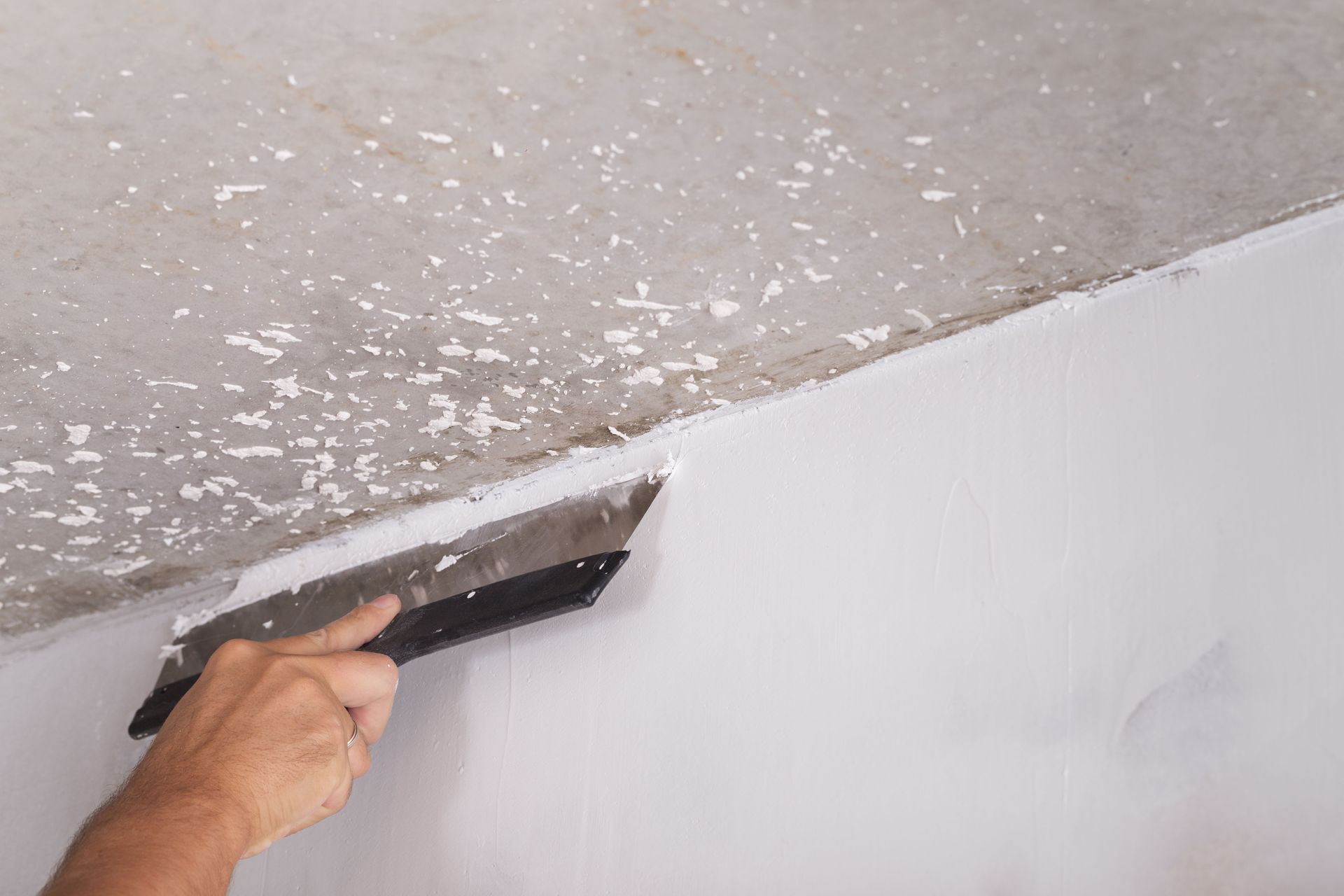
<p>Professional stucco repair begins with identifying the cause of deterioration rather than covering visible imperfections.</p>
<h3>Evaluating Moisture-Related Concerns</h3>
<p>Moisture is an important factor affecting exterior stucco performance. Water may enter through cracks, improperly sealed openings, damaged flashing, or deficiencies in the wall assembly.</p>
<p>When moisture becomes trapped, it can contribute to deterioration of underlying materials. Interior warning signs may include damp spots, peeling paint, or persistent musty odors.</p>
<p>Not every stain indicates a serious moisture problem, but recurring discoloration deserves investigation. Qualified professionals can evaluate suspicious areas and determine whether additional moisture testing is necessary.</p>
<p>At DH Painting, we recognize that successful exterior restoration depends on addressing contributing conditions before completing cosmetic improvements.</p>
<h3>Scheduling Routine Professional Inspections</h3>
<p>Regular inspections help homeowners understand how their exterior changes over time. Professionals can evaluate surface cracks, coating conditions, moisture-related staining, and areas surrounding exterior openings.</p>
<p>Annual inspections are particularly valuable for properties exposed to severe weather or substantial seasonal temperature changes. Additional evaluations may be appropriate following major storms.</p>
<p>Documenting existing concerns makes it easier to determine whether damage is progressing. This information can guide maintenance decisions and help homeowners prioritize improvements.</p>
<p>By arranging professional stucco repair when deterioration is identified, property owners can reduce the likelihood of minor defects developing into extensive restoration projects.</p>
<h2>Protecting Stucco Through Preventive Maintenance</h2>
<h3>Addressing Damage Before It Spreads</h3>
<p>Small exterior defects can become more difficult to correct when left unattended. Cracks may widen, coatings can deteriorate, and moisture may reach materials beneath the visible finish.</p>
<p>Timely professional attention helps limit these risks. The appropriate solution depends on the extent of damage, stucco type, and whether underlying problems are present.</p>
<p>Some situations require localized surface restoration, while others may involve comprehensive repairs or specialist evaluation.</p>
<p>At DH Painting, we emphasize identifying the existing surface's condition before recommending improvements. Thoughtful maintenance helps preserve exterior performance and visual consistency.</p>
<h3>Preserving Exterior Color and Texture</h3>
<p>Stucco offers numerous decorative possibilities, including smooth, sand, and textured finishes. These options contribute to a home's architectural character and curb appeal.</p>
<p>However, sunlight, weather exposure, and surface wear can gradually alter color and texture. Poorly matched repairs may also create noticeable differences between restored and existing sections.</p>
<p>Professional finishing techniques help achieve a cohesive appearance. Material compatibility, texture matching, and appropriate coating selection contribute to successful results.</p>
<p>Maintaining consistent exterior finishes can make a property look better cared for while supporting long-term preservation.</p>
<h3>Investing in Long-Term Exterior Protection</h3>
<p>Preventive maintenance is an investment in your property's condition and appearance. Regular inspections, appropriate cleaning, and prompt attention to damage can help extend the useful life of exterior finishes.</p>
<p>Neglecting visible deterioration may result in complicated repairs, especially when moisture affects underlying construction materials.</p>
<p>Professional stucco repair provides an opportunity to correct damaged areas while evaluating whether additional protective measures are appropriate.</p>
<p>At DH Painting, we're committed to helping homeowners maintain attractive, durable exteriors through careful workmanship and informed maintenance recommendations. If your stucco shows signs of cracking, staining, or deterioration, contact our team to discuss professional services and the next steps for protecting your home.</p>