October 29, 2026
Exterior paint does more than change the color of a house. It creates a finished appearance while covering siding, trim, doors, and other surfaces that are constantly exposed to sun, rain, temperature changes, and everyday wear. Even a well-applied coating will eventually begin showing its age, and recognizing those changes can help homeowners decide when repainting makes sense.
According to HomeGuide, a house exterior generally needs repainting every 5 to 10 years, although climate, sun exposure, surface material, and existing condition can affect that schedule. The calendar is only one guide. Visible changes in the finish can provide more useful clues. Professional exterior painting services can evaluate those signs, prepare worn surfaces correctly, and apply coatings suited to the home's exterior.
1. The Color Has Become Noticeably Faded
Fading is often one of the first signs homeowners notice because it changes the overall appearance of the house before the paint begins to fail physically. Sun exposure can gradually reduce color intensity, especially on walls that receive strong direct light for much of the day. Different sides of the same house may therefore age at different rates.
HomeGuide's 5-to-10-year guideline is useful here because age and appearance should be considered together. If the exterior is within that range and the color has lost much of its original depth, it may be a good time to discuss repainting with a professional.
2. Paint Is Peeling, Cracking, or Flaking
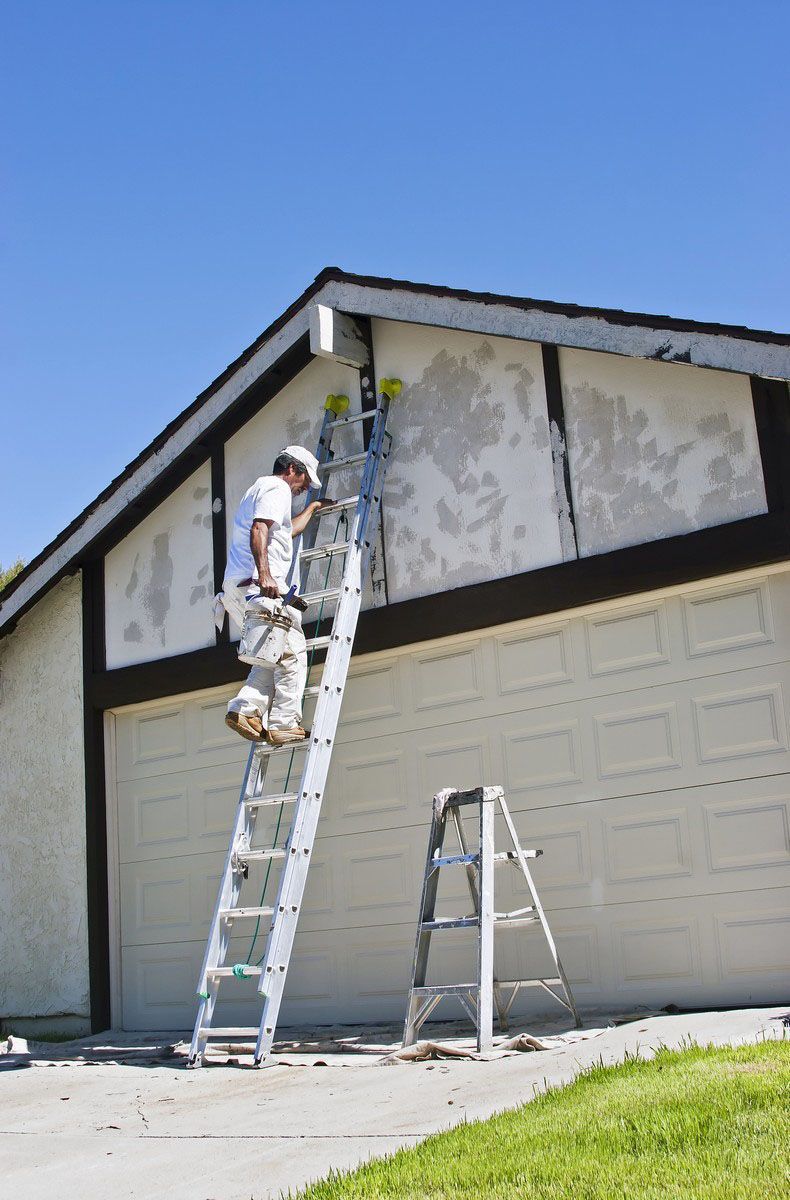
Peeling, cracking, and flaking are stronger signs that the existing coating is no longer adhering properly in certain areas. These problems can develop because of age, moisture, previous surface preparation, weather exposure, or a combination of conditions. Whatever the cause, simply covering loose paint with another coat will not create a stable finish.
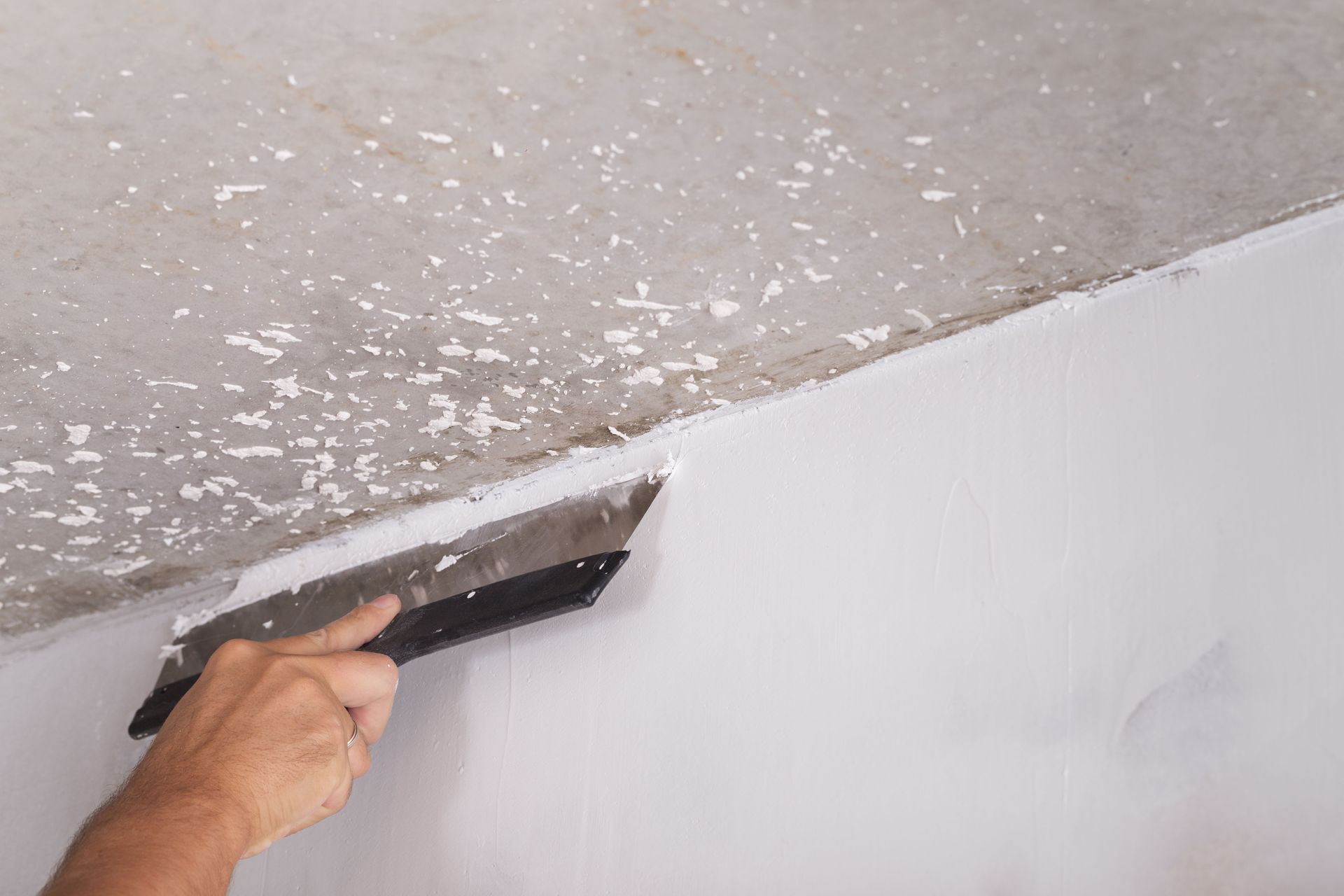
Proper exterior painting services should include preparation before new paint is applied. DH Painting describes its exterior process as including surface cleaning and preparation before durable coatings are installed. Removing loose material, addressing minor surface problems, and preparing the substrate give the new coating a better surface to bond to.
Homeowners should pay close attention to peeling around windows, doors, trim, rooflines, and other transitions where water or weather exposure may be concentrated. If the damage keeps returning in the same area, the cause should be evaluated before repainting rather than hidden under another layer of paint.
3. Bubbling or Blistering Appears on the Surface
Bubbles and blisters create raised areas where paint has separated from the surface beneath it. They can result from moisture, heat, poor adhesion, painting over a damp surface, or other application and environmental conditions. The appearance may begin in a small area and become more noticeable over time.
Because bubbling can have several causes, repainting should begin with understanding why the coating failed. If moisture is entering through a leak, deteriorated caulk, damaged siding, or another building issue, that problem may need to be corrected before painting begins. Otherwise, a new finish could experience similar problems.
Professional exterior painting services can evaluate the visible coating and determine what preparation is appropriate. DH Painting provides exterior painting for homes in Bucks and Montgomery counties and emphasizes both surface preparation and weather-resistant product selection. That combination is important when an existing finish is already showing adhesion problems.
4. Bare Siding or Wood Is Starting to Show
When paint wears away enough to expose the material underneath, the exterior needs attention. Bare patches may appear where peeling has progressed, where trim has worn down, or where previous repairs were never completely recoated. These areas can make the home look unfinished and leave the underlying material with less surface protection.
Wood deserves particular attention because repeated exposure to moisture can affect its condition. Before repainting, damaged or deteriorated material should be evaluated and repaired as needed. Paint can cover a properly prepared surface, but it is not a substitute for replacing material that is no longer sound.
Exterior painting services can coordinate preparation with the final finish so repaired areas blend more consistently with the rest of the house. DH Painting offers exterior painting along with services for stucco, decks, fences, and outdoor structures, which can be useful when several exterior surfaces need attention at the same time.
5. The Exterior Looks Worn Even Without Obvious Failure
Not every repaint begins with dramatic peeling or exposed siding. Sometimes the finish simply looks tired. Color may be uneven, trim may appear dull, old touch-ups may stand out, or the exterior may no longer look cohesive after years of weather exposure and small repairs.
This is where the age of the paint becomes helpful context. HomeGuide states that exterior painting is generally needed every 5 to 10 years on average, while the actual timing depends on the material, climate, sun exposure, and condition. A house that has gone many years without repainting may benefit from an evaluation even if there is no single severe defect.
A professional can help determine whether the entire exterior needs repainting or whether selected areas should be prioritized. That distinction can prevent homeowners from assuming that every faded or worn surface automatically requires a whole-house project.
Look Beyond the Paint Before Starting the Project
The best time to repaint is after the exterior has been evaluated and necessary preparation has been identified. Paint can improve appearance and provide a renewed coating, but it should not be used to conceal moisture problems, deteriorated siding, damaged stucco, or other conditions that need separate attention.
Walk around the house and look at siding, trim, doors, soffits, fascia, and other painted surfaces. Note where fading, peeling, cracks, bubbles, stains, or bare areas appear. Photos can also help track whether a condition is changing from one season to the next.
DH Painting's exterior painting services include preparation and the application of weather-resistant coatings. The company serves Bucks and Montgomery counties and has been operating since 2012, with more than 20 years of painting experience represented by its team.
Consider Timing and Weather Conditions
Exterior painting depends on more than choosing a color and scheduling a crew. Temperature, moisture, and weather forecasts can affect surface preparation, application, and drying. Professional painters plan around these conditions and select products appropriate for the surface and expected exposure.
Pennsylvania homes experience hot summers, cold winters, rain, and seasonal temperature changes. Those conditions can contribute to the gradual wear homeowners see on exterior coatings. Scheduling an evaluation before deterioration becomes extensive can provide more flexibility in choosing an appropriate time for the work.
DH Painting uses Sherwin-Williams paints and offers free estimates for exterior projects. Its service area includes communities throughout Bucks and Montgomery counties, including Doylestown, Newtown, New Hope, Warrington, Blue Bell, and surrounding areas.
Use the Five Signs as a Practical Repainting Checklist
A home's exterior does not need to reach the point of widespread paint failure before repainting is considered. Fading, peeling or cracking, bubbling, exposed substrate, and a generally worn appearance can all provide useful clues about the condition of the existing finish.
The HomeGuide recommendation of repainting every 5 to 10 years offers a helpful benchmark, but inspection should guide the final decision. Materials, sun exposure, weather, previous preparation, and the quality of the existing coating can all affect how long exterior paint remains in good condition.
For homeowners in Bucks and Montgomery counties, DH Painting provides exterior painting services that include surface preparation, product selection, and professional application. Paying attention to visible changes and addressing them before deterioration becomes widespread can help keep the home's exterior looking maintained and give homeowners a clearer plan for when the next paint project is truly needed.