October 22, 2026
In the realm of residential and commercial property maintenance, surface preparation often goes underappreciated but plays an indispensable role in the overall success of any painting project. A beautifully painted wall, an elegantly restored living area, or a vibrant facade is always the ultimate goal, yet without proper groundwork, such a finish will inevitably be short-lived. Surface preparation forms the true structural foundation of durable paint applications by ensuring coatings adhere properly, endure daily environmental stressors, and maintain their aesthetic appeal over time. Neglecting these initial steps frequently results in premature failure, blistering, and costly repairs that could easily have been avoided with proper care.
Professional interior house painters recognize that a flawless, photo-worthy finish depends almost entirely on the quality of the prep work performed before a brush ever touches the wall. Properly prepped surfaces allow modern coating materials to bond at a microscopic level, preventing peeling, bubbling, and uneven color absorption over time. Whether dealing with wood trim, drywall panels, plaster, or masonry, taking the time to address surface flaws and contaminants pays major dividends in longevity, visual appeal, and overall property value.
Understanding Surface Preparation
Surface preparation encompasses all preparatory tasks carried out on a substrate before applying any topcoat, including deep cleaning, mechanical sanding, structural patching, and specialized priming. It serves to systematically correct physical defects that compromise paint adhesion and surface uniformity across the room. Without tailored prep work, even the highest-grade commercial paint cannot form a permanent bond, leading to premature flaking, chipping, and general aesthetic deterioration. Substrate porosity, material resilience, and specific ambient exposure dictate the precise steps required for each unique project.
Proper bonding involves complex physical and chemical interactions between the coating film and the underlying substrate surface. A completely clean, defect-free canvas allows for uniform paint spread, optimal drying times, and consistent sheen development across the entire surface. In addition, thorough preparation helps technicians identify and rectify hidden structural imperfections, such as hairline settling cracks, water stains, or hidden moisture intrusion, long before they can compromise the finished coating system.
According to IBISWorld, over the next five years, the painting industry in the United States is expected to grow as of 2026. This ongoing industry growth reflects an increasing consumer demand for long-lasting, high-quality results in both residential and commercial properties, making meticulous surface preparation more important than ever for modern contractors and property owners alike.
Examining the Science of Adhesion
The science of paint adhesion relies on delicate chemical interactions between the paint components, specifically pigments, resins, solvents, and additives, and the underlying surface substrate. Resins serve as the critical binding agent, locking pigment particles together and anchoring them firmly to the material as the volatile solvents evaporate during the drying phase. Porous materials like raw wood absorb these liquid resins to create a mechanical interlock, while non-porous surfaces like polished metal or glass require surface profiling and dedicated adhesion primers to achieve necessary chemical anchorage.
Physical bonding relies heavily on surface texture and mechanical grip to lock the paint layer in place permanently. Physical prep techniques like sanding, wire brushing, or acid etching create millions of microscopic ridges and valleys that dramatically expand the total surface area available for paint anchorage. This enhanced mechanical bond enables the cured paint film to withstand continuous thermal expansion, structural building movement, ambient humidity fluctuations, and daily physical contact without cracking or debonding.
Hiring skilled interior house painters ensures these scientific adhesion principles are correctly analyzed and applied throughout your home. Experienced professionals understand precisely how surface texture, wood grain density, ambient room humidity, and temperature variations affect coating adhesion, ensuring that every layer cures properly and performs reliably for years to come.
Identifying Common Preparation Mistakes
One of the most frequent mistakes made during DIY or rushed preparation is failing to clean surfaces thoroughly prior to applying paint coatings. Residual dust, grease, kitchen oil, or powdery drywall residue forms an invisible barrier that prevents direct contact between the paint and the substrate, leading to widespread bubbling and early peeling. Washing surfaces with appropriate non-residue detergents or degreasing solvents effectively eliminates these hidden barriers, guaranteeing a solid physical and chemical bond.
Improper sanding execution represents another common error that severely compromises finish quality and coating longevity. Under-sanding leaves smooth, glossy surfaces intact, which prevents new paint layers from achieving necessary mechanical grip and leads to easy scratching. Conversely, over-sanding can gouge delicate drywall paper, weaken wood fibers, and create unsightly surface unevenness that telegraphs directly through the final coat of paint. Failing to patch structural cracks or skipping a dedicated primer layer further impairs durability.
Rushing through prep work simply to cut short-term labor costs or meet tight schedules is ultimately counterproductive for property owners. Taking shortcuts during the early stages leads to rapid paint failure, requiring expensive early repainting and extensive corrective labor. Meticulous execution during the preparation phase remains the single most cost-effective strategy for achieving a vibrant, enduring finish that preserves the integrity of your walls.
Executing Proper Prep Steps
The systematic preparation process begins with a comprehensive, professional surface inspection to identify minor cracks, water stains, structural damage, or old failing coatings. Accurately assessing material characteristics, existing paint types, and environmental factors enables technicians to select the optimal combination of scrapers, abrasives, patching compounds, and specialized primers required for the specific job conditions at hand.
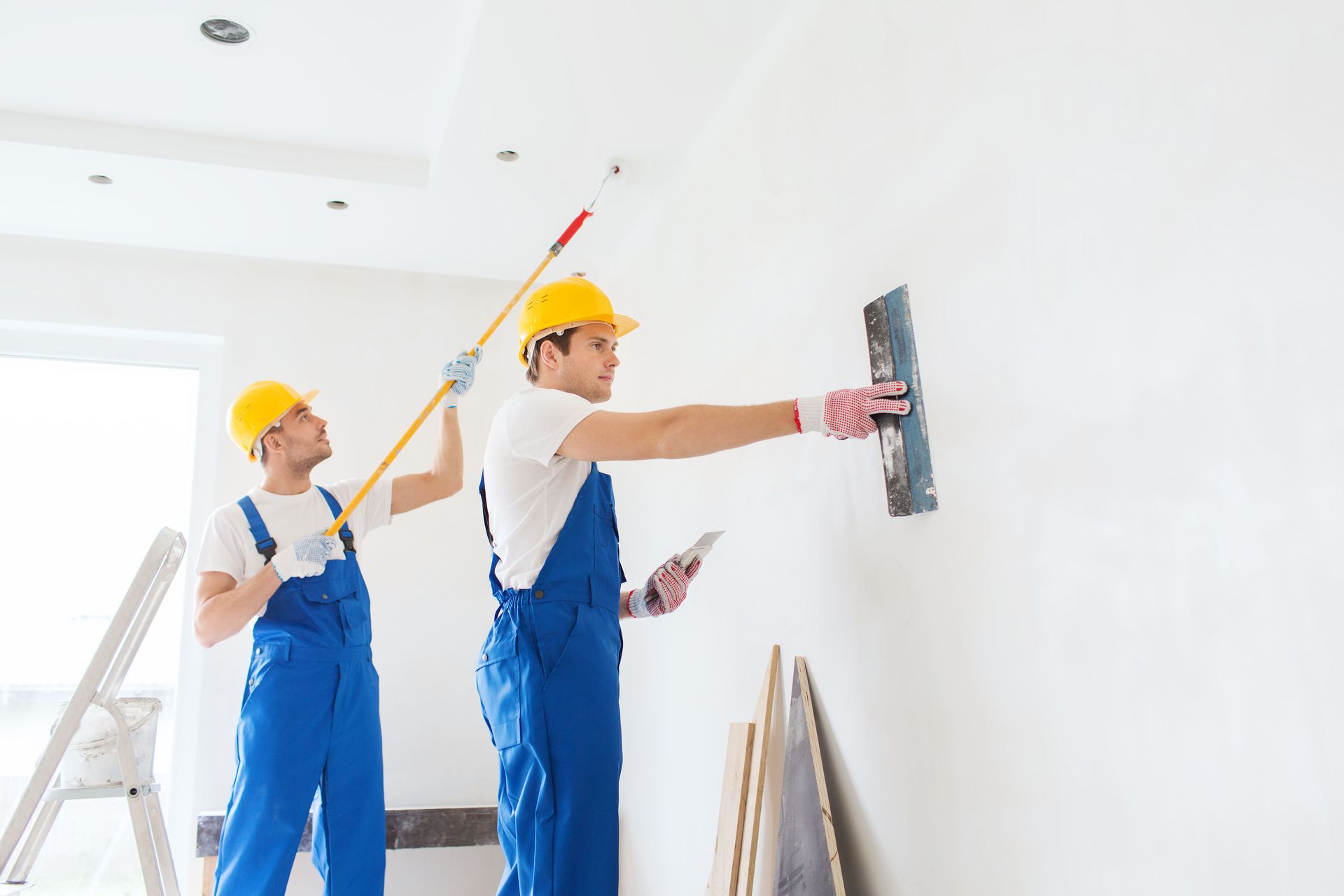
Thorough cleaning follows the initial inspection phase, utilizing targeted washing methods, scraping, or solvent wipe-downs to remove all lingering surface contaminants. Once the surface is completely dry, workers systematically sand the substrate to level out existing ridges, feather sharp edges, and create an ideal profile for maximum paint bonding. Cracks, nail holes, gouges, and seam defects are filled with high-grade spackling or joint compound, then precision-sanded smooth once fully cured.
Working with qualified interior house painters ensures that every single phase of this detailed inspection and surface conditioning process is executed to strict professional standards. Professional expertise removes all guesswork from the process, resulting in impeccably smooth, sound surfaces that dramatically enhance the final topcoat's visual depth, color consistency, and overall operational lifespan.
Applying Quality Primers and Sealers
Applying a dedicated primer represents the vital final step of surface preparation, acting as a crucial binding bridge between the raw substrate and the decorative topcoat. Primers effectively seal highly porous materials like fresh drywall or raw timber, block tough stains from bleeding through to the surface, and provide a perfectly uniform surface density that prevents blotchy, uneven paint absorption across the wall.
Selecting the correct primer formulation depends heavily on the underlying substrate material and specific room conditions. Specialty stain-blocking primers prevent water marks and smoke damage from migrating, while high-adhesion bonding primers adhere to challenging surfaces like laminate or glossy enamel. Applying the proper primer coat maximizes overall topcoat coverage, improves paint spreadability, and enhances the final color richness of the chosen paint shade.
Consulting with established interior house painters guarantees that appropriate, high-grade primers and sealers are selected for your home's unique interior environment. Professional application ensures optimal adhesion across every square foot, providing maximum substrate protection and a stunning, long-lasting finish that elevates your living space. For more information about the services that we offer, reach out to our incredible team at DH Painting today!